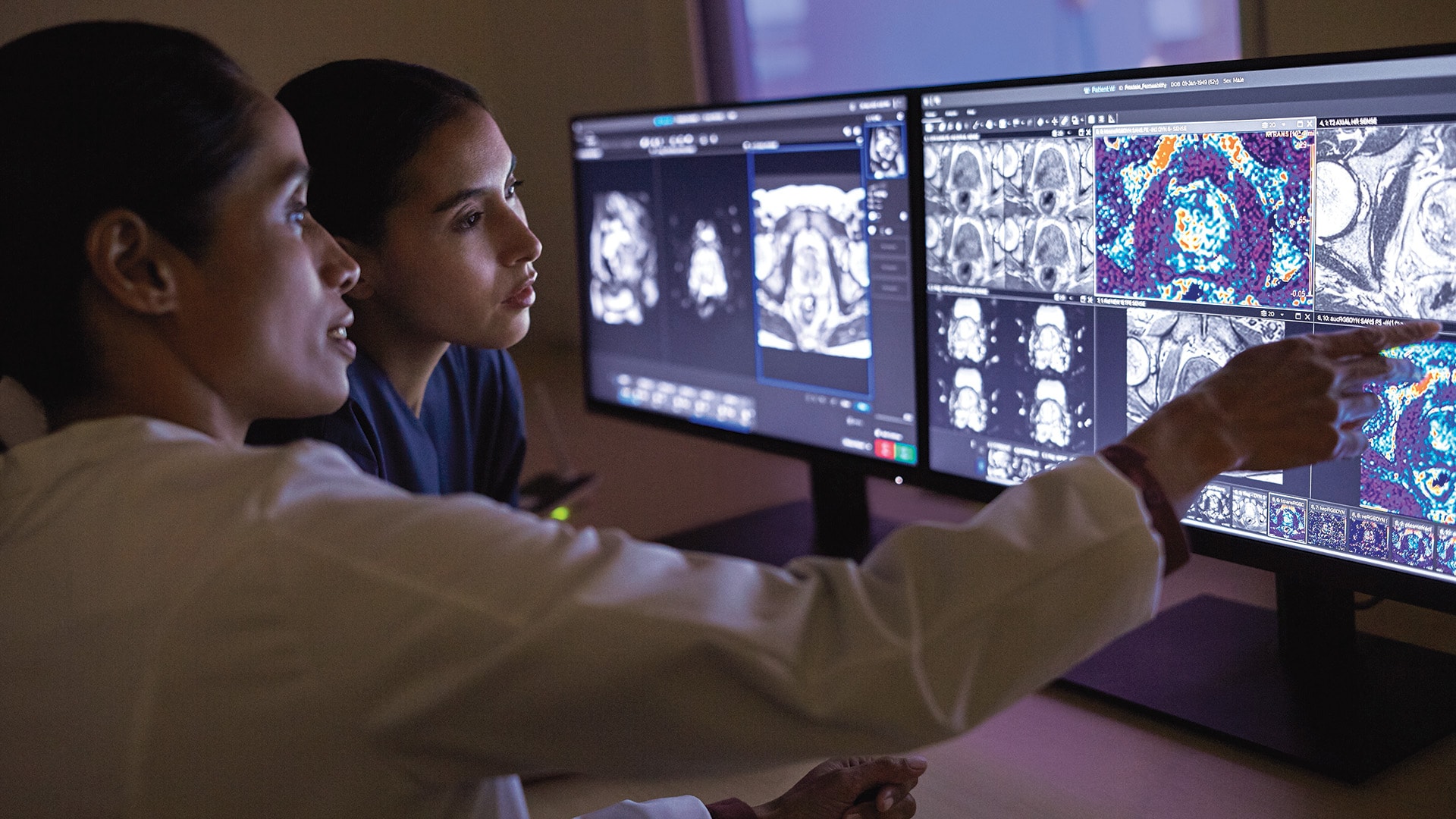

The Shift Toward Smarter Digital Radiography
Walk into a modern hospital today, and you’ll notice that radiology no longer operates only from a fixed imaging room tucked away in one department. Imaging has become more connected, mobile, and responsive to the pace of patient care. This shift is one of the reasons why DR imaging, DR mobile systems, and advanced DR radiology technologies are receiving growing attention across healthcare facilities.
Digital radiography, commonly known as DR imaging, has transformed how radiographic images are captured and accessed. Instead of relying on conventional film workflows, digital systems allow healthcare professionals to review images electronically, helping streamline communication between radiology teams and clinicians. In fast-moving clinical environments, quicker access to imaging data can make day-to-day operations more efficient.
Why DR Mobile Systems Are Becoming More Important
One of the most practical developments in this space is the rise of DR mobile systems. In emergency rooms, ICUs, trauma centers, and post-operative wards, moving critically ill patients to the radiology department may not always be ideal. Mobile radiography systems help bring imaging closer to the patient instead.
According to information available on AGFA Radiology Solutions, systems such as the DR 100e and DURAMI are designed to support bedside imaging workflows through compact mobility and wireless detector integration. These systems are intended to help radiology professionals perform examinations in locations where flexibility and maneuverability matter.
The Growing Role of Intelligent Workflow Tools
Another important aspect of modern DR radiology is workflow intelligence. Today’s imaging systems are not just about capturing an X-ray; they are also designed to support the people operating them. Technologies like MUSICA™ image processing aim to optimize image presentation automatically, while SmartRotate™ tools help reduce manual image correction steps during processing workflows.
These workflow-oriented technologies are increasingly becoming part of everyday radiology operations, particularly in departments handling high patient volumes.
Fixed DR Imaging Rooms Continue to Evolve
For larger imaging departments, fixed DR imaging rooms continue to evolve as well. Solutions like the DR 600 combine automation features, detector flexibility, and workflow-oriented tools to support a broad range of radiographic examinations. Features such as automated positioning and digital connectivity are becoming increasingly valuable in facilities handling high imaging volumes every day.
Detector technology also plays a major role in the DR ecosystem. Wireless digital detectors are now commonly integrated across both mobile and fixed imaging systems, helping healthcare providers create more adaptable radiology environments. Agfa’s Dura-line detector portfolio is designed for compatibility across multiple imaging applications while supporting digital workflow integration.
Looking Ahead at Modern DR Radiology
As healthcare systems continue modernizing diagnostic infrastructure, flexibility is becoming just as important as image quality. Hospitals are increasingly looking for imaging technologies that can adapt to different departments, support connected workflows, and integrate into evolving clinical demands.
For healthcare providers exploring the future of DR imaging and mobile radiology, AGFA Radiology Solutions offers a closer look at digital radiography technologies developed to support modern imaging environments and evolving radiology workflows.